The Rise of Italy-Azerbaijan Relations: A Strategic Partnership Bridging Europe and the South Caucasus
by Tural Akhundov
“Friendship is a single soul dwelling in two bodies.”
Abstract
This article analyzes the evolution of relations between Italy and Azerbaijan from energy-driven cooperation to a multidimensional strategic partnership. It raises questions about how energy interdependence reshaped Italy’s role in the South Caucasus and how Azerbaijan’s diversification strategy underpins expanding engagement with a major EU and NATO member. The research first examines the diplomatic foundations that institutionalized bilateral dialogue and built political trust. It then explores energy cooperation - centered on the Trans-Adriatic Pipeline (TAP) - as the structural backbone of the relationship, before assessing defense-industrial collaboration, particularly through cooperation with Leonardo S.p.A. and NATO interoperability initiatives. The article further considers reconstruction initiatives, technological integration, and public diplomacy, including the establishment of the joint Italy-Azerbaijan University. It argues that the partnership reflects a cumulative strategic logic in which energy created trust, which in turn enabled technological and security integration, reinforcing long-term alignment. Consequently, Italy-Azerbaijan relations exemplify how middle powers construct strategic depth through sectoral interdependence rather than formal block-style alliances.
Political Foundations of a Strategic Partnership
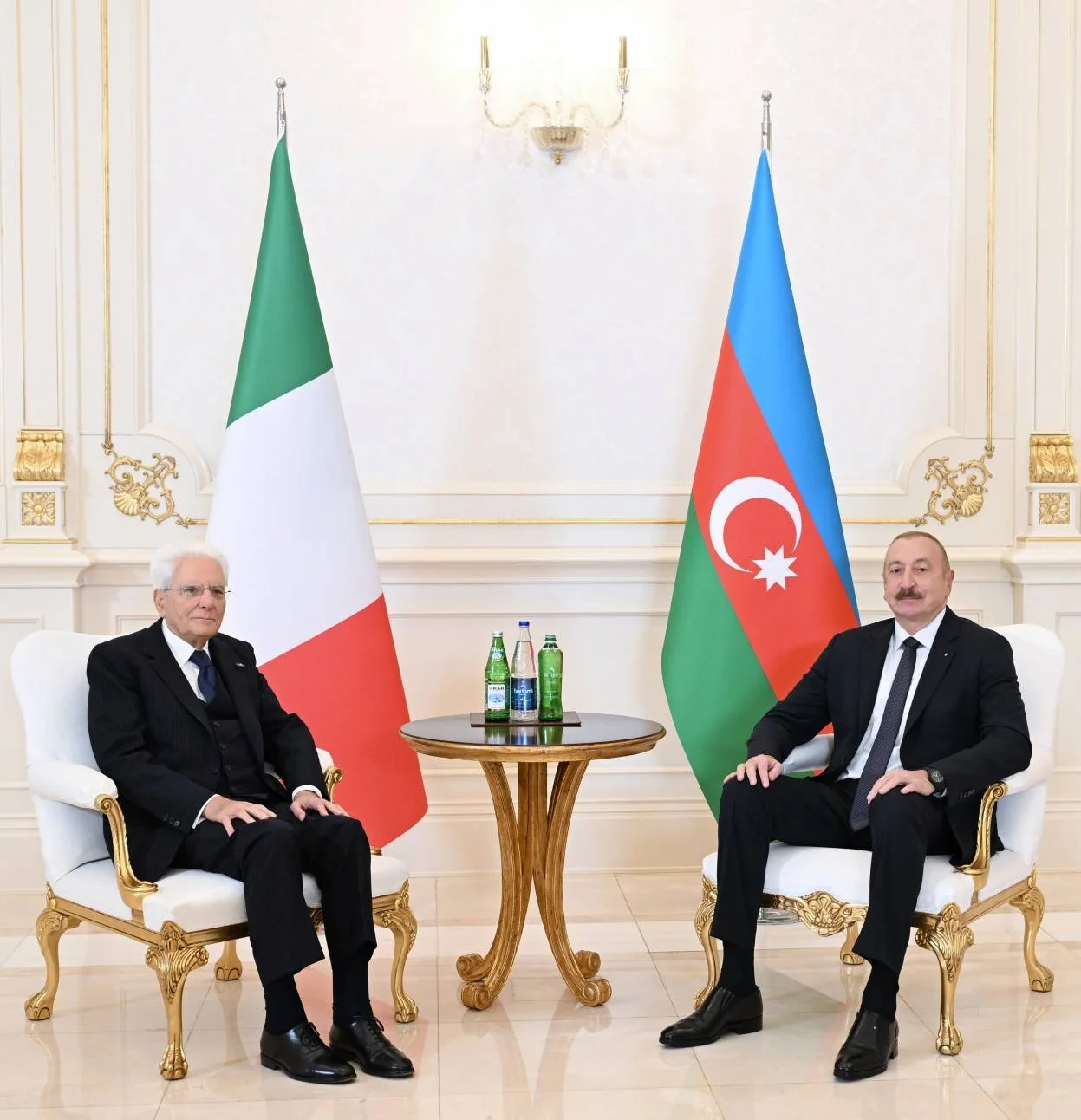
Over the past decade, bilateral ties between Italy and Azerbaijan have moved beyond episodic contacts toward a more institutionalized strategic dialogue, anchored in reciprocal presidential visits, formal partnership declarations, and sustained ministerial consultations. Meetings between President Ilham Aliyev and President Sergio Mattarella symbolized more than diplomatic courtesy; they signaled mutual recognition of long-term strategic value. Likewise, defense consultations involving Italian Defense Minister Guido Crosetto illustrated the widening scope of political coordination, extending into sensitive security domains. In 2023, receiving the Minister of Defense of Italy Crosetto, President of the Republic of Azerbaijan Ilham Aliyev marked the successful development of Azerbaijan-Italy bilateral relations based on a strategic partnership. Welcoming Italy's contribution to the development of Azerbaijan-NATO and Azerbaijan-EU relations, President Aliyev noted that the two countries successfully cooperate in various fields, including energy [1]. This information exemplifies that the partnership between Italy and Azerbaijan is constantly evolving and is not limited to a particular initiative, creating much space for mutual projects and the enhancement of Azerbaijan’s defense and security level.
Italy’s diplomatic posture in the South Caucasus has been characterized by calibrated pragmatism. Rather than positioning itself as a normative arbiter, Rome has cultivated an image of a reliable and stabilizing interlocutor, supporting dialogue initiatives between Azerbaijan and Armenia. This balanced approach has strengthened Italy’s credibility as a European stakeholder capable of combining economic engagement with political moderation. However, it is important to underline that these diplomatic interactions should not be interpreted as symbolic gestures detached from material outcomes. They have functioned as trust-building mechanisms that reduced political uncertainty and facilitated cooperation in strategically sensitive sectors.
Traditionally, Italy has not been a prominent geopolitical actor in the region of the South Caucasus, at least compared to Russia, Turkey, or Iran. However, through energy interdependence (via the Trans-Adriatic Pipeline), defense-industrial cooperation (notably with Leonardo S.p.A.), and educational diplomacy, Italy is transitioning from a commercial energy partner to a strategic stakeholder. The consolidation of political confidence created the conditions under which energy interdependence could deepen, and defense-industrial cooperation could emerge without triggering destabilizing perceptions. In this sense, diplomacy acted as the architecture of the partnership: it institutionalized predictability, mitigated risk, and transformed bilateral engagement from transactional exchange into structured strategic alignment.
Comprehensive Interaction
Energy diplomacy has played a key role in solidifying the relationship between Azerbaijan and Italy, which in turn led to collaborations in a number of other spheres, including military. The Trans-Adriatic Pipeline (TAP), which delivers Azerbaijani natural gas directly to Italy, covering a significant share of its energy demand, is the driving force behind this collaboration [2]. Considering the approximate volume of 9.6 bcm of gas delivered from Azerbaijan in 2024, Italy became the largest consumer of Azerbaijani natural gas in Europe and among NATO members [3].
The latest example of how far this cooperation has been able to develop is the September 2025 agreement between the State Oil Company of Azerbaijan (SOCAR) and Italiana Petroli S.p.A on the acquisition by Azerbaijan of 99.82% of Italy’s one of the leading energy companies. SOCAR plans to maintain Italiana Petroli’s strong market position by collaborating with the local management team, ensuring continued high-quality service, and commits to retaining the workforce and upholding environmental sustainability as a core priority in Italy. This acquisition marks a significant step in SOCAR's expansion into the European energy market, strengthening economic and energy ties between Azerbaijan and Italy and contributing to Europe's energy security and sustainable development. It is also projected to reinforce Italiana Petroli's strategic role in the Mediterranean region [4].
It is worth mentioning that Italy remains one of the leading European countries contributing to the reconstruction efforts of Azerbaijan’s liberated territories of the Karabakh region and the latest result is that of June 2025, which marked the visit of Adolfo Urso, Minister of Enterprises and Made in Italy to Mingachevir, Azerbaijan, where he participated in the inauguration of the “8 November” Power Plant. Adolfo described Italy’s involvement in the construction of the power plant as a testament to the friendship and successful cooperation between the two countries [5]. In turn, on July 2025, it has been reported that The State Oil Fund of the Republic of Azerbaijan (SOFAZ) and Enfinity Global, a leading renewable energy company, communicate to have entered into an agreement under which SOFAZ will acquire a 49% equity interest in a 402 MW portfolio of solar photovoltaic power plants in the Lazio and Emilia-Romagna regions of Italy. Israfil Mammadov, CEO of SOFAZ, described the deal in the following way:
“Through this strategic collaboration with Enfinity Global, SOFAZ supports the delivery of competitive, clean energy to meet Italy’s growing energy needs, while contributing to local economic development and household energy access. As a forward-looking institutional capital provider, we remain committed to supporting strategic investment opportunities in Italy and across Europe.”
This is not just an investment; this is a quiet but decisive shift from a hydrocarbon-based energy model towards a new strategy that includes renewable energy sources. Rome and Baku, historically linked by gas flows, are now restructuring their relationship from molecules to electrons, transforming commercial ties into a long-term industrial partnership.
While energy security remains the foundation of these bilateral relations, it serves as an impulse to shape cooperation on defense issues. As an example of that, Azerbaijan has seriously strengthened its air force by purchasing an undisclosed number of Alenia Aermacchi M-346 Master fighter jets from Leonardo [7] in order to use them for training and be ready for the 5th-generation piloting transition [8]. Despite the fact that M-346 is a trainer jet, it also has combat capabilities, allowing the integration of low-weight munitions, such as variations of the QFAB bomb [9]. This can be regarded as one of the solutions for Azerbaijan to enhance its military strength via direct cooperation with a NATO member without the need to become a NATO member state.
Azerbaijan’s cooperation with Leonardo goes beyond aircraft supplies and is present in the energy domain as well. Taking into account the significance of the Southern Gas Corridor for Italy, the country has taken certain steps in order to contribute to the protection of this strategic energy infrastructure. In 2017, an agreement between Leonardo Company and the State Oil Company of Azerbaijan (SOCAR) was signed, marking the beginning of cooperation in the fields of security, automation, and communications. This agreement initiated Italy’s both physical and cyber assistance for enhancing the security of energy supplies, as well as the use of Leonardo technology to improve the efficiency of SOCAR’s projects of delivering over 20 billion cubic metres of Azerbaijani gas to Europe each year [10]. As stated on the official website of Leonardo:
“The agreement is an important recognition of Leonardo’s commitment to building a long-term relationship with the Republic of Azerbaijan, including through the establishment of a presence in the country.”
Moreover, speaking of the energy sector, in December 2025, Leonardo contributed to Azerbaijan’s oil and gas operations by supplying yet another helicopter, the AW189, to be exploited in various operations over the sea [12]. This purchase expanded Azerbaijan’s light aviation fleet and demonstrated the trust of Azerbaijan in the reliability of products made by Italy.
Other than that, in November 2025, Azerbaijan Airlines (AZAL) announced the acquisition of Leonardo METEOR 735 C-Band weather radar systems to enhance its aviation safety infrastructure. The radars are designed to detect extreme weather events, including hail, heavy rain, turbulence, and wind shear in real-time with high precision. They will provide continuous monitoring of take-off and landing operations at Azerbaijani airports, aiding in the early modeling of dynamic weather processes [13].
Taken together, these developments illustrate that energy cooperation between Azerbaijan and Italy has evolved far beyond the frame of supply and demand. The strategic logic between the two countries is cumulative: energy created trust, trust enabled technological integration, and technological integration reinforced security alignment. In this sense, the Italy–Azerbaijan partnership represents not a series of isolated transactions, but the gradual construction of a multidimensional strategic architecture linking Mediterranean and Caspian interests within a shared framework of economic resilience and security cooperation.
Italy’s Interoperability Contribution to Azerbaijan
In recent years, Italy–Azerbaijan relations have demonstrated steady progress in the field of defense and military cooperation. A particularly important dimension of this partnership concerns Italy’s contribution to enhancing Azerbaijan’s military interoperability with NATO standards through military-technical cooperation, training, and institutional engagement. Military interoperability is the ability of armed forces from different countries to operate together effectively, using compatible communication systems, logistics standards, procedures, and equipment. A significant milestone in this bilateral cooperation was marked in 2024 with the number of events that included military-technical cooperation and joint training programs. The major breakthrough for enhancing interoperability for Azerbaijan was a contract signed in 2023 between Leonardo, the Italian aerospace and defense company, and Azerbaijan for the supply of C-27J Spartan military transport aircraft [14]. Italian Defense Minister Guido Crosetto, Deputy Minister of Foreign Affairs and International Cooperation Edmondo Cirielli, and Leonardo Chairman Stefano Pontecorvo visited Baku for the delivery event of the 1st aircraft in June 2024 [15]. The C-27J Spartan, known for its versatility and efficiency, raises Azerbaijan’s ability to support logistical operations, such as the deployment of troops, equipment, and supplies [16]. The compatibility of this plane with NATO’s standards makes Azerbaijan better prepared for collective defense and peacekeeping operations in the future.
Considering training programs, Italy contributes to Azerbaijan’s interoperability through regular staff talks. This interaction aims to develop cooperation in the military-technical sphere and foster mutual understanding between Azerbaijani and Italian military personnel. For example, in 2024, Azerbaijani and Italian defense officials met to explore opportunities for joint efforts in ensuring world peace. These discussions resulted in relevant protocol signing that opened the way for future joint exercises, enhancing Azerbaijan’s ability to operate effectively in multinational military missions [17]. Eliminating language barriers is another important task for achieving interoperability, thus Azerbaijani military personnel take part in Italian language courses in order to be able to continue their deeper training in the future on Italian territory. In July [18] and December [19] 2024, the Foreign Language Center of the Military Administration Institute of the National Defense University of Azerbaijan held 2 graduation ceremonies of the Italian language course for Azerbaijani servicemen. NATO Defense College in Rome is another Italian source of contribution to interoperability building for both Azerbaijani military servicemen and civilian personnel [20].
This engagement is part of the NATO Partnership Staff Post Concept and is there to shape a new generation of Azerbaijani officers that would possess the necessary experience and expertise gained from their work in various NATO offices, which, as a result, could be implemented at home, within the ongoing reforms of the Azerbaijan Armed Forces [21]. In addition, 2025 was marked with several expert meetings, one of which was between representatives of the Special Forces of Azerbaijan and Italy, where sides held a wide exchange of views on joint cooperation and issues of mutual interest [22], and another one on “Search and Rescue of Individuals in Distress in Mountainous Terrain” that took place at the 15th Stormo Search and Rescue Base located in Cervia, Italy, with the participation of the base’s leadership and the Azerbaijani Air Force’s paratrooper and search-and-rescue personnel [23].
Interoperability is about coordination between military and civilian structures, and here, Azerbaijan works with Italy within the framework of civil-military cooperation (CIMIC). In December 2024, an Italian military delegation specializing in CIMIC visited Azerbaijan to share expertise and strategies for improving coordination between military and civilian sectors [24], while in December 2025, the Azerbaijani delegation participated as observers in the “Adaptive Interaction 2025” multinational CIMIC exercise held in the Veneto region of Italy [25]. CIMIC involves coordination between armed forces and civilian authorities during crises, peacekeeping, or reconstruction. These interactions are an important part of enhancing Azerbaijan’s ability to collaborate with NATO on disaster response and humanitarian missions.
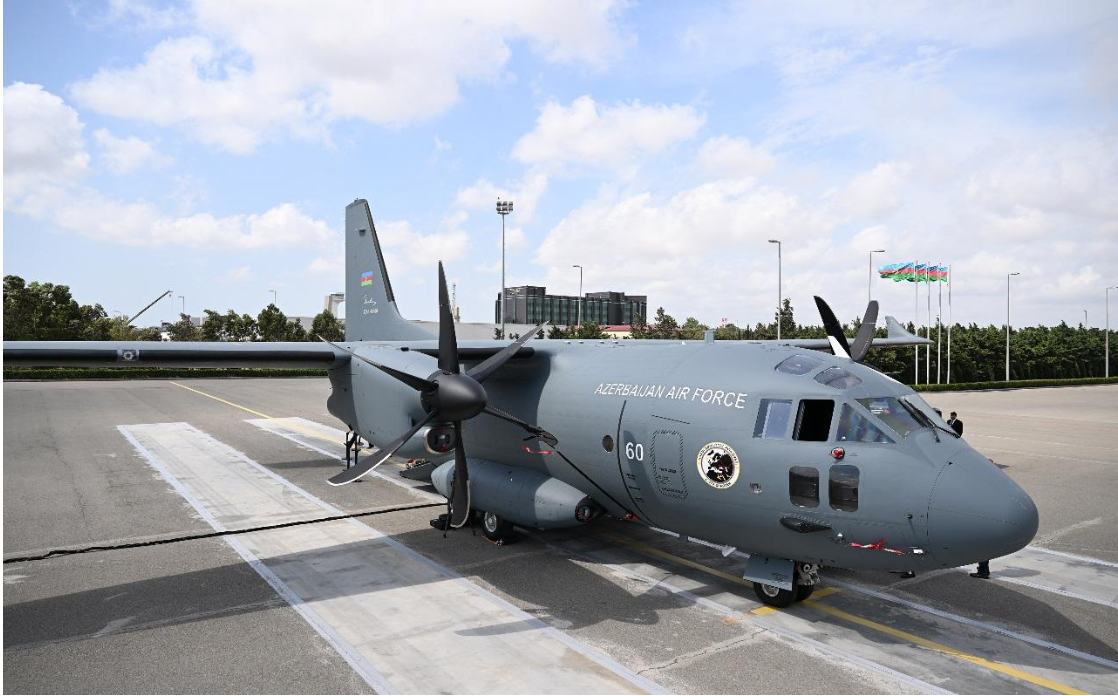
In the picture: C-27J Spartan aircraft of the Azerbaijan Air Force [26]
Public Diplomacy Track
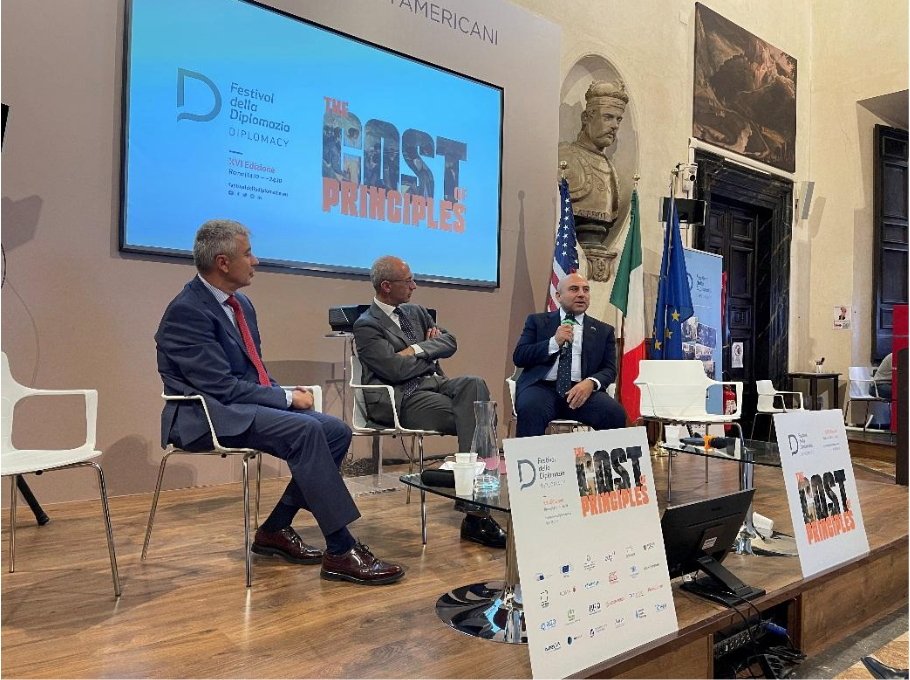
As a separate dimension, come public diplomacy efforts. Italy does not remain indifferent to the peace process between Azerbaijan and Armenia and offers its input by bringing the two sides together for discussions. In October 2025, within the framework of the annual Diplomacy Festival held in Rome, Italy, an event titled “Peace is Always Possible” was organised with the participation of Rashad Aslanov, Ambassador of Azerbaijan to Italy, and Vladimir Karapetyan, Ambassador of Armenia to Italy [27]. This once again demonstrates the impartial position of Italy and its sincere intentions to contribute to the peace process between the two South Caucasus states.
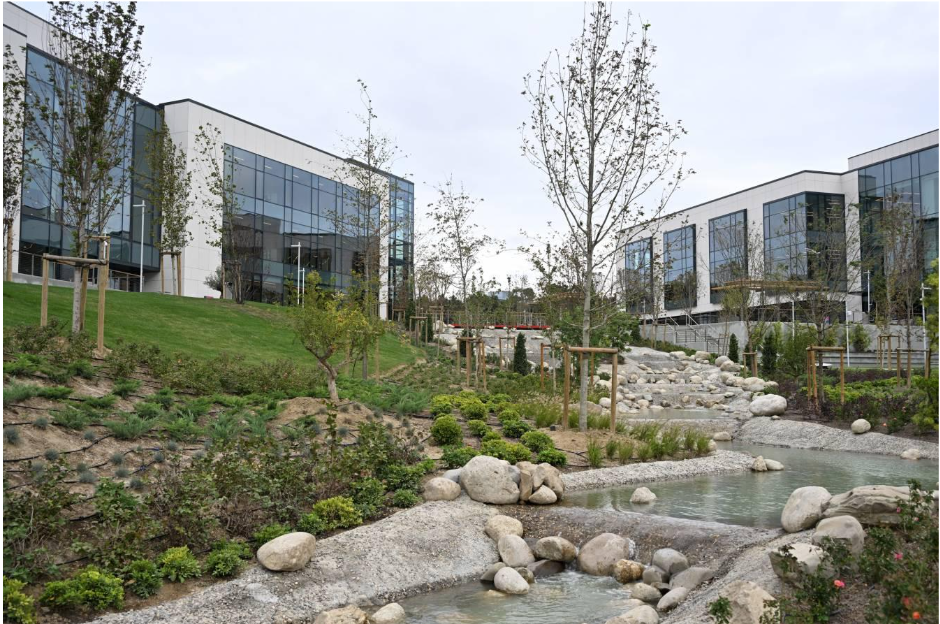
Looking at the full spectrum of events that took place over the last few years in the mutual history of Italy and Azerbaijan, it is evident that the two states have a firm will to enhance cooperation moving forward. Thus, the year 2025 symbolically concluded with the official visit of President of the Italian Republic Sergio Mattarella to Azerbaijan. The visit marked the opening of the first campus of the Italy-Azerbaijan University in Baku.
The initiative to establish the Italy-Azerbaijan University was proposed by President Ilham Aliyev during his state visit to Italy in 2020. To implement the project, academic cooperation agreements were signed in 2022 between ADA University and five leading Italian higher education institutions: Luiss Guido Carli University, Sapienza University of Rome, Polytechnic University of Turin, Alma Mater Studiorum – University of Bologna, and Polytechnic University of Milan. This initiative is set to play a crucial role in training future specialists for key sectors of Azerbaijan’s economy, particularly engineering, agriculture and the food industry, architecture, and design. The implementation of this project is a testament to the high level of humanitarian cooperation between Azerbaijan and Italy and reflects the close and sincere relations between the two nations. It also contributes to the development of Azerbaijan’s education system by incorporating Italian expertise [29].
All in all, Italy–Azerbaijan relations illustrate how middle powers can construct strategic depth through sectoral interdependence rather than formal alliances. What began as an energy trade has evolved into a multidimensional partnership encompassing defense modernization, institutional integration, infrastructure protection, renewable investment, and educational cooperation. For Italy, this expands its geopolitical role in the South Caucasus and reinforces its position within EU energy diplomacy. For Azerbaijan, it diversifies strategic partnerships while preserving policy autonomy. The result is not merely bilateral cooperation, but the gradual embedding of Azerbaijan into European security and energy architectures without formal bloc alignment.
References
[2] See TAP’s route.
[11] Ibid.
[16] Ibid.
[17] “Azerbaijan and Italy hold Staff talks”, Ministry of Defense of Azerbaijan News, 18/10/2024.
[21] NATO Partnership Staff Post.
[24] “Italian military delegation visits Azerbaijan”, Ministry of Defense of Azerbaijan News, 19/12/2024.
[28] Ibid.
[30] Ibid.